
02.2026
FMC // March 2026. Forthcoming events
01-31.03 / the FASHION HERITAGE ACADEMY meets students
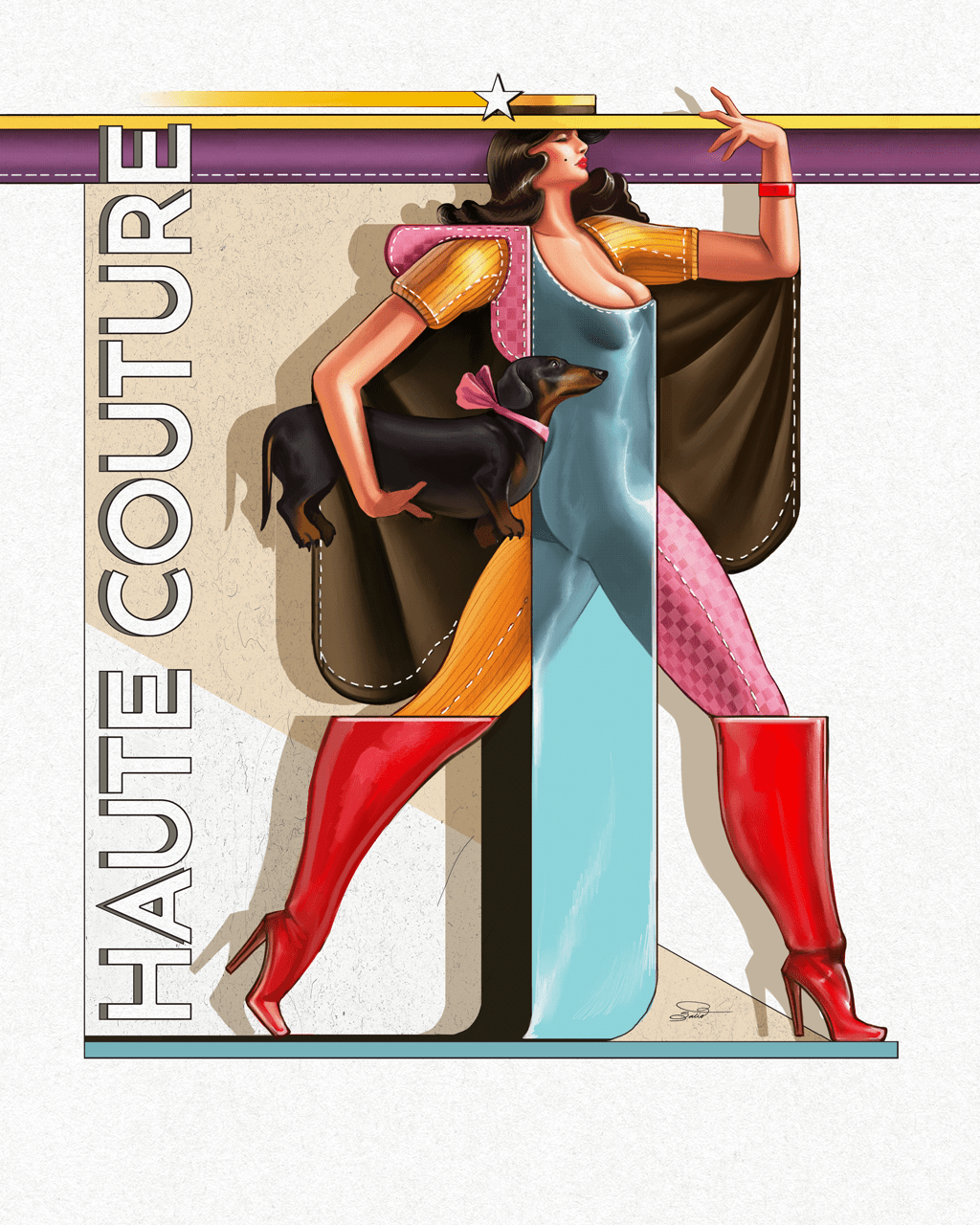
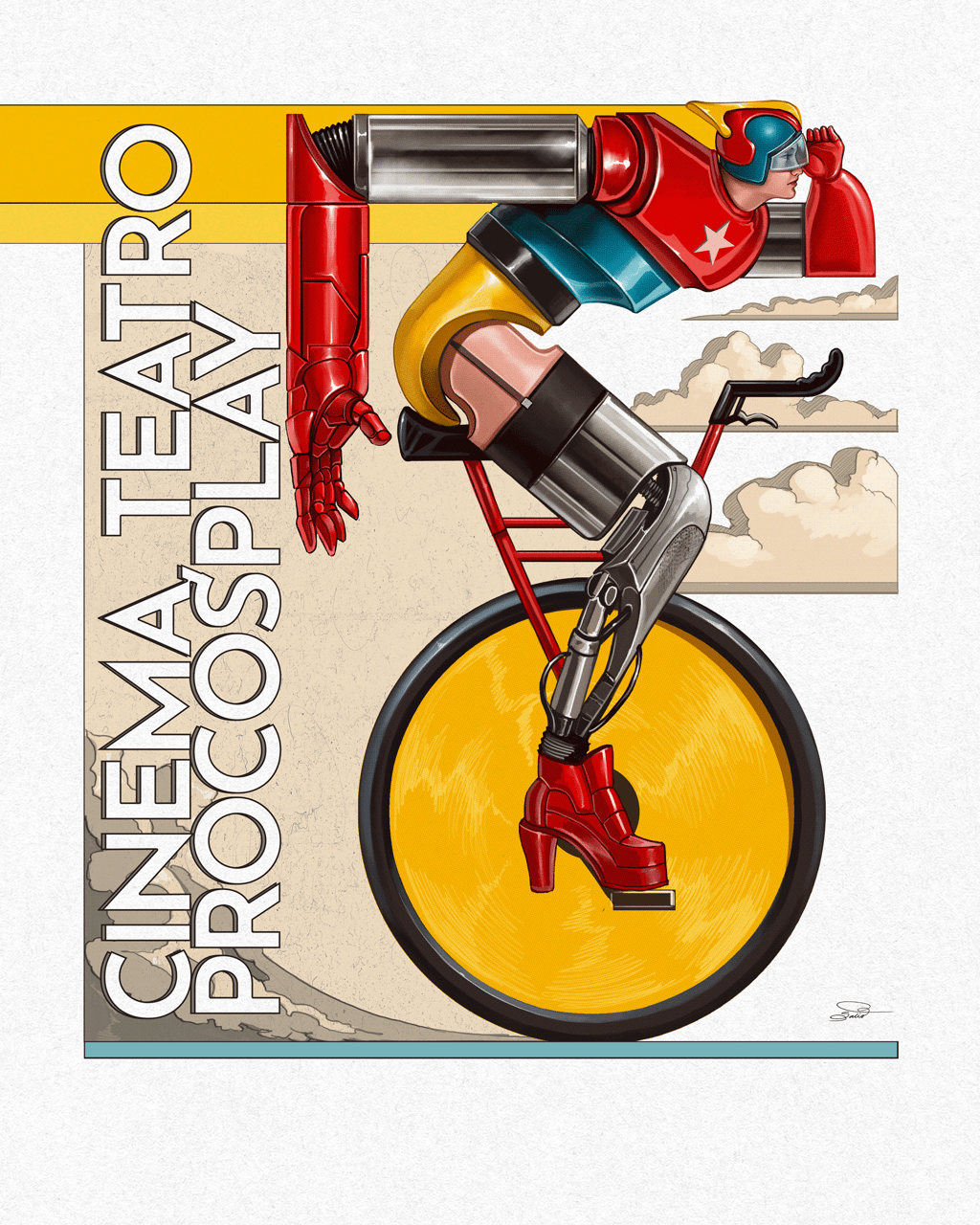
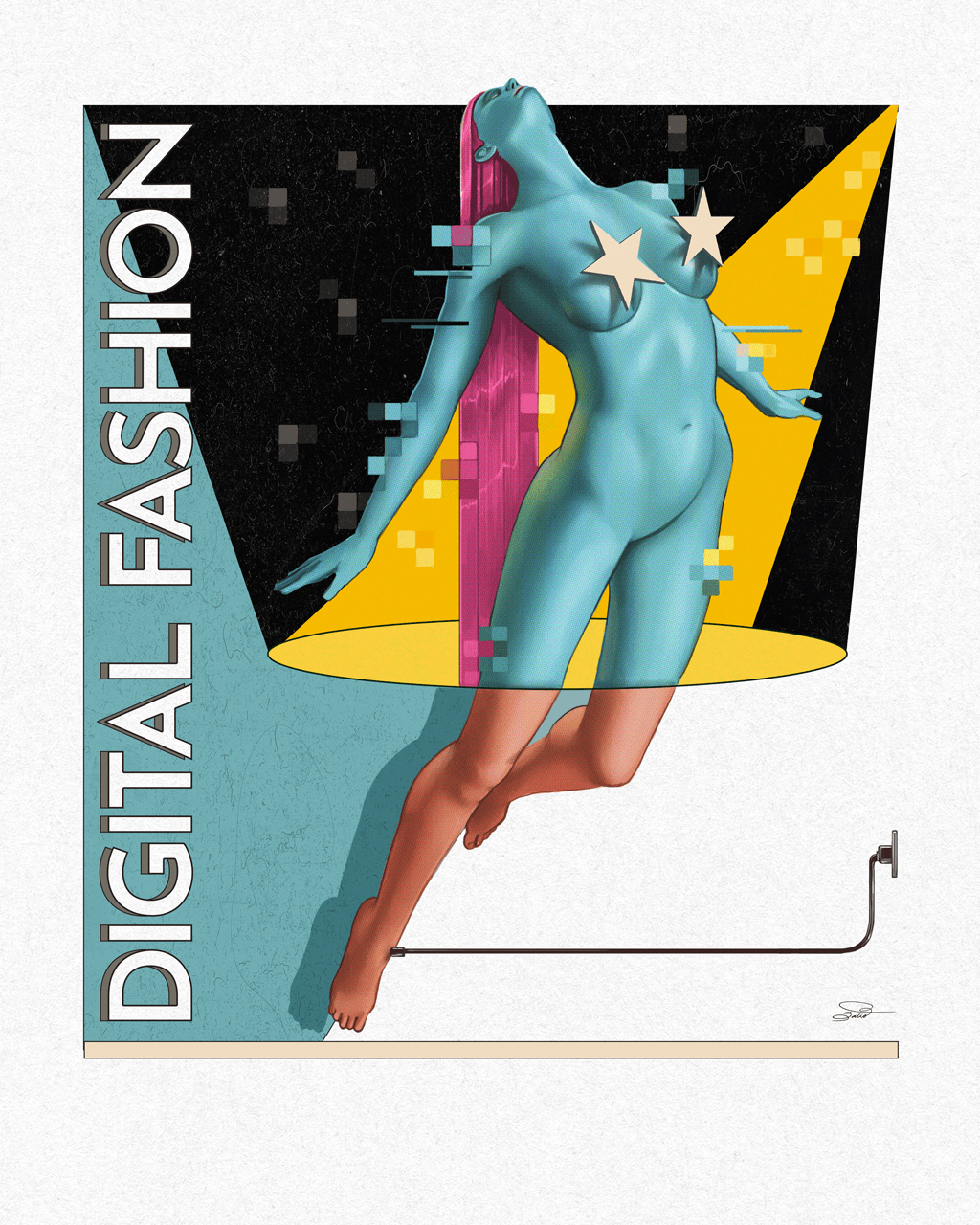
In March, the M-Cube Foundation continues to meet students in schools across Piedmont to present the brand-new Fashion Heritage Academy and the future professions in the world of fashion — spanning haute couture, cinema, and cosplaying.
12.03 / Biomedical Visions: The Art of Science and the Science of Art
Our cross-disciplinary research between art and science continues. We will be joined by Marlene Bart, Cornelius Borck, Cat Dawson, and Lara Keuck to explore how images, in the context of biomedicine, can be interpreted and used by patients, artists, and scholars — and how it’s possible to create new visual languages capable of engaging with the biomedical and public spheres.
25.03 / Lux Tour 2026
Rosalía is not just a singer — she’s considered a pop visionary, capable of influencing fashion, live performance, and visual language. Her performances and music videos draw on symbolism, theatrical aesthetics, and visual elements that transcend music to become cultural, almost mythical narratives. We’ll meet her in Milan to share new stories with you!
U.S.A. and THROW AWAY
by Fabrizio Modina
The recent statement by the Trump administration about implementing a regulation that would require tourists to make their social media content and personal emails available in order to enter the country sparked a thought in me:
Do we really need to go to the United States?
What do we expect to find there that we don’t already have here — and perhaps in an even better form?
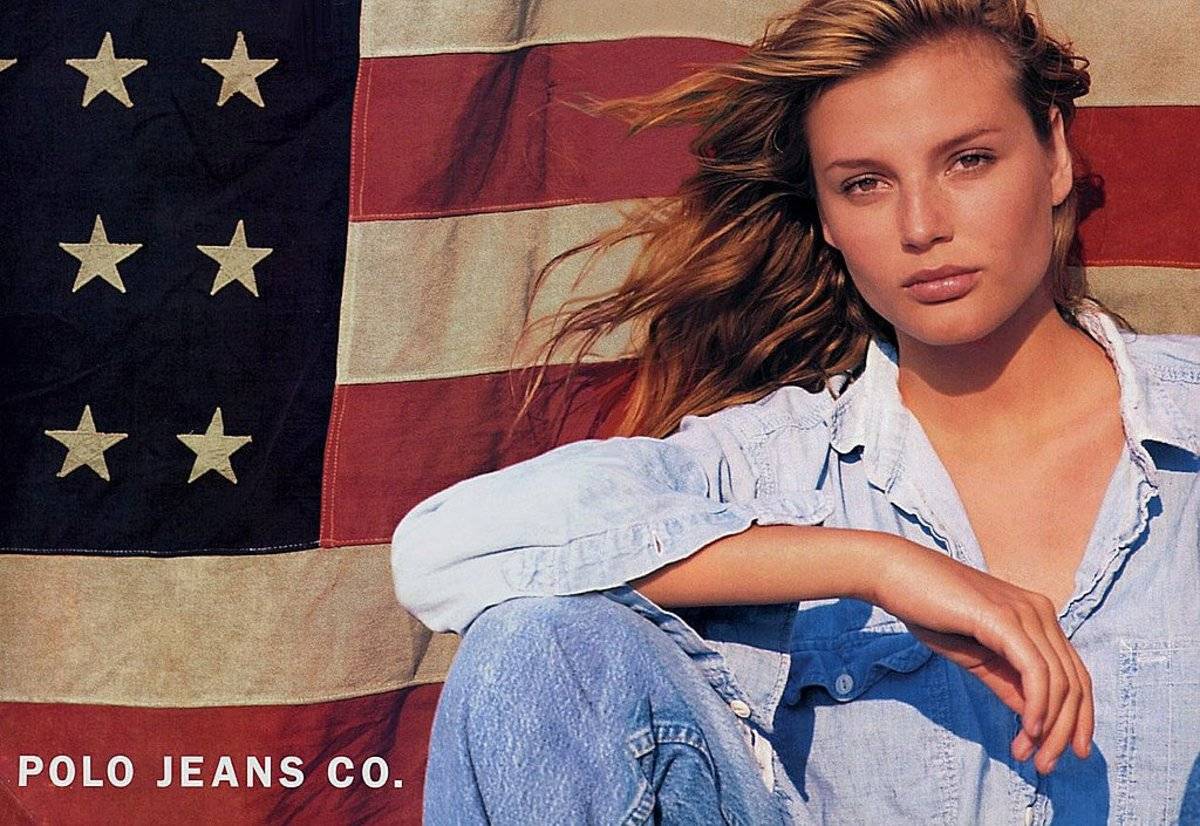
In the 1990s — I admit it — I visited the U.S.A. several times, dazzled by a cinematic imagination that made everything seem magical, unreal, unattainable.
I’m a collector and historian of pop culture; I couldn’t live without Superman, Star Wars, Disney, and Madonna.
With all its plasticized aesthetics, its gold merely painted on the surface, and its total lack of history that somehow becomes a history of its own, the great America deceived us all a little.
But thirty years later, with hindsight, I’ve come to embrace the radical idea that — at least once in a lifetime — New York is worth the trip, but the rest of it decidedly isn’t. Not enough, at least, to sacrifice one’s privacy just to please a nation that has become a shadow of itself.
And while it’s undeniable that, in cinema and music, the United States has given us artists and works of immortal impact, the same cannot be said for fashion. Despite the nationalist push from major publications like Vogue, fashion has always played a completely secondary role compared to the European tradition and craftsmanship.
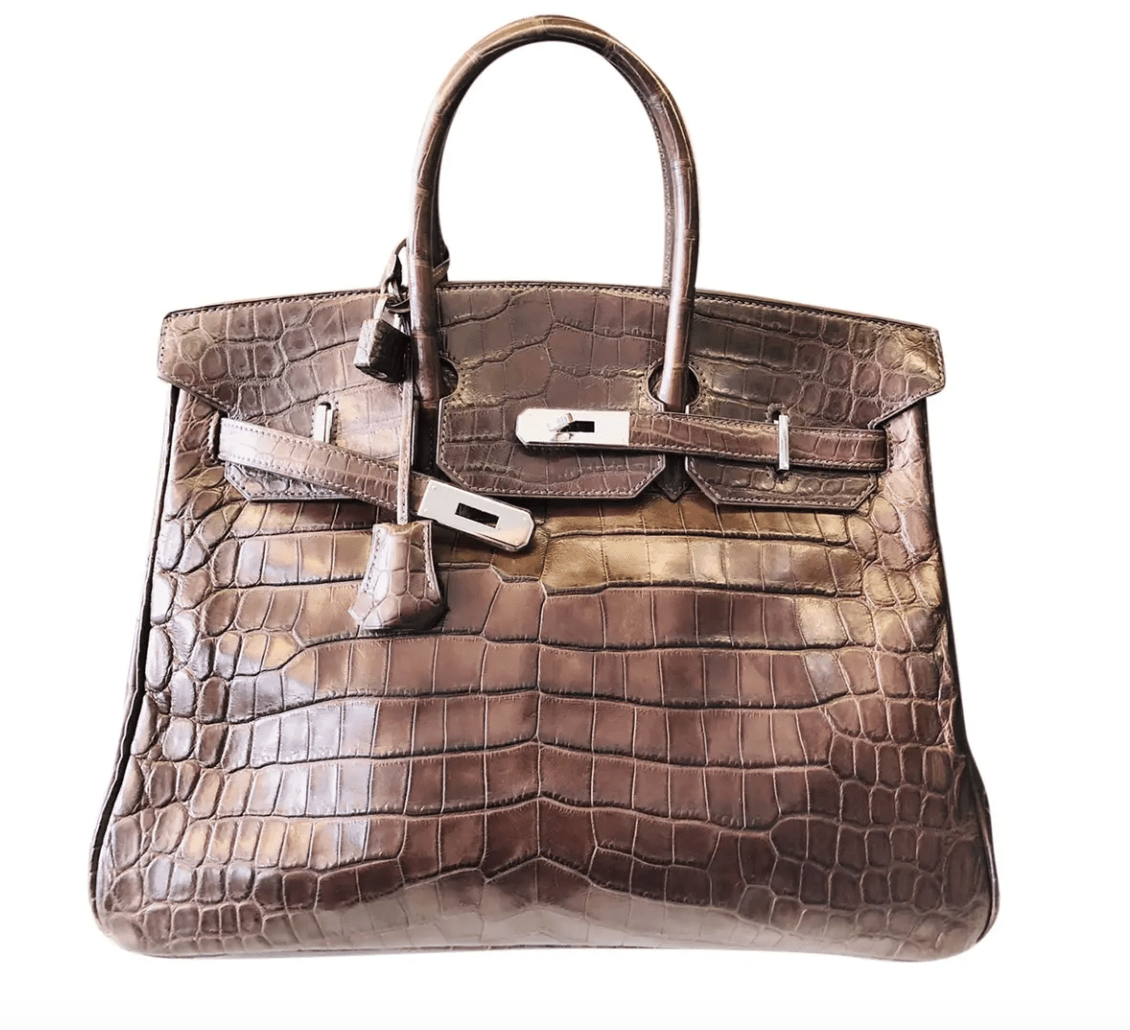
If in Italy and Europe we don’t show enough sensitivity to protest when Gucci and Tod’s (among others) turn a blind eye to exploitative labor practices, when Dior has its workshops in Chinese factories in the basements of Tuscany produce €5,000 handbags, and when Hermès skins crocodiles alive to make its million-dollar bags, then at the very least we could try boycotting the fashion of Mr. Trump’s country — without losing much in the process.
Just as giving up Coca-Cola and McDonald’s could only do our health some good.
American fashion was born in Hollywood, riding the inspirational wave of the great divas’ tailors — foremost among them Adrian, the man who, from Dorothy’s ruby slippers to Joan Crawford’s gowns, defined the image of the American woman for the world.
After him, in the 1960s, Halston and Oleg Cassini rose to prominence as the official couturiers of First Lady Jackie Kennedy, who had the notorious habit of loving Parisian designers a little too much. Unable to wear them without undermining Made in U.S.A., she would often ask her designers to adapt to the trends dictated by Dior and Balenciaga.
Up to this point, then, there was no real competition for European haute couture. But by the 1980s, the first New York brands began to push forcefully to establish themselves in our market. While in Italy, France, and the United Kingdom the maisons of designers who would truly demolish and rebuild the very essence of fashion — Armani, Versace, Ferré, Gaultier, Mugler, Lacroix, Alaïa, Westwood — were emerging and thriving, labels like Ralph Lauren and Calvin Klein, to name the most famous, were beginning to appear in our stores from across the Atlantic.
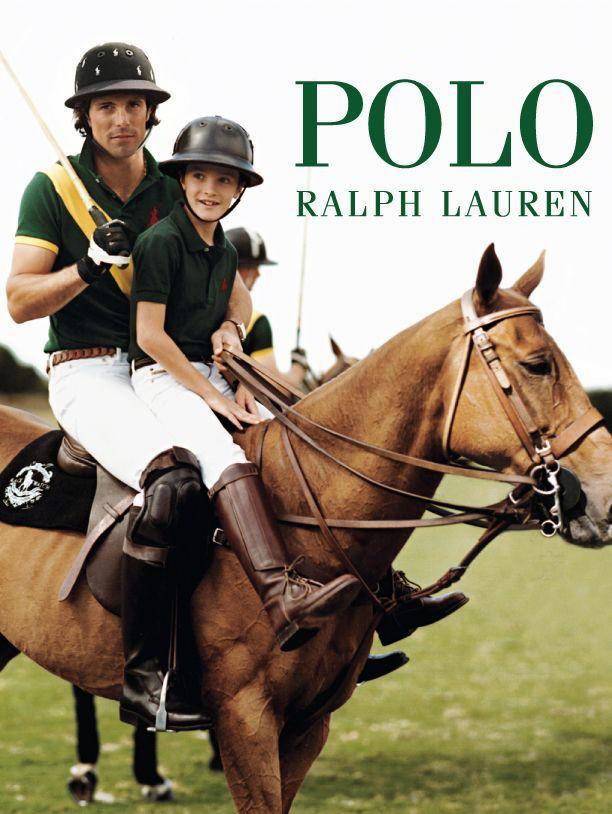
No one has succeeded more than Ralph Lauren in narrating not only the hypocrisy of the American dream, but also in delegitimizing a piece — perhaps the only one — of his country’s own history, regurgitating it into a defined aesthetic rooted in the outsourcing of a stereotype.
In short: Lauren codified the image of the perfect American, canonizing the essence of the WASP (White, Anglo-Saxon, Protestant) in a bubble of upper-middle-class privilege where everyone is beautiful, blond, white, and rich; they play polo and tennis and attend the most prestigious colleges. His models wear riding boots, immaculate shirts, and navy blue blazers adorned with university crests.
For the designer, then, the “true” American — who is no color other than white — is, de facto, an Englishman. With all due respect to the Revolutionary War.
Yet Italians ended up buying tons of polo shirts embroidered with the polo player — tiny at the time, later growing enormously — forgetting that this practical item already existed and had been officially “invented” by the French tennis player René Lacoste in 1926, even though Indians had been using it for equestrian sports for centuries. In other words: nothing new.
Even more emblematic is the success of Calvin Klein, the king of logo-elastic underwear, who gave American fashion a minimalist, essentialist turn, dressing career women in his strict gray suits as they slowly began climbing the ranks of Wall Street. All impressive, except that Giorgio Armani had already done it first. Once again: nothing new.
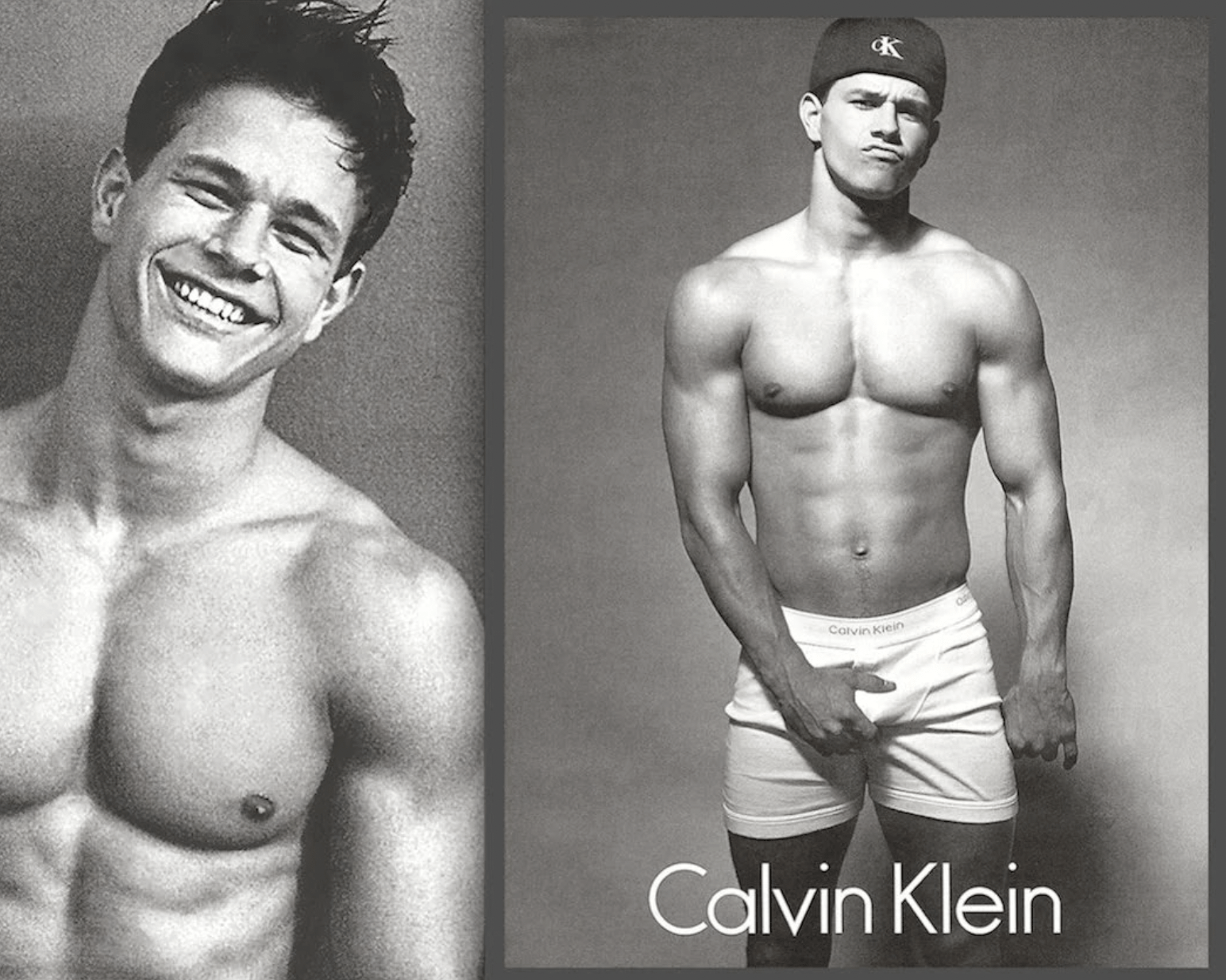
The embarrassment becomes even more evident when we try to identify a unique quality, an innovation, a spark of ingenuity in names that have become super cool in Europe without any real reason — simply because they are, wow!, American: Donna Karan, Michael Kors, Marc Jacobs, and to almost parodic levels, Tommy Hilfiger and Off-White. Look around, and it quickly becomes clear that we can perfectly well buy elsewhere, investing in and believing in smaller local brands that struggle to make their mark. Let Anna Wintour amuse herself with her protégés, while we show pride in what we’ve created in just over fifty years of great Italian (and European) fashion.
If we must look elsewhere, far away, let’s focus instead on Japan, South Korea, and China — which is not just Shein and Temu, but a fertile ground for genuinely promising new talent, such as Robert Wun from Hong Kong.
Of course, amid all this plastic, the States have gifted us a few gems: what would Gucci have done without the magnificent Tom Ford, and more recently, what would Schiaparelli have done without Daniel Roseberry? Coincidentally, both Texans. Forget cowboys!
This leads me to conclude that Americans have, indeed, invented at least one fashion icon of our time: the jeans. Too bad the legend is only half true: the pants were created by Mr. Levi, but with fabrics coming from France (Nîmes) and Italy (Chieri, TO).
Mr. Trump can keep his Great America — we can truly do without it.
Fashion, a profession in evolution
Discover the video talks from the M-Cube Foundation, starting with fashion and then soaring into so much more from the worlds of Modern Mythology!
Doppia Zip
Curated by Grita
Filming and editing by Simona Rapisarda
Phygital fashion
Technology — and in particular AI — is revolutionizing every stage of the fashion creative and industrial process, while raising questions of ethics and authorship.
How can collaboration between humans and machines work? Today, at Doppia Zip, Grita and Emanuela Zilio, Project Manager, discuss how new technologies and AI are transforming the creative and industrial phases of fashion.
Discover the Fashion Heritage Academy
Three two-year courses to create with your hands in contemporary fashion
Contact & Info
educational@fondazionemcube.it
Secretariat +39 392.6328942 // From Mon to Fri – 14.00-16.00
Fashion through the bug screen: Euphoria (2019-)
curated by Elena Maria Casella
curated by Elena Maria Casella
If it’s true that every generation has its manifesto, it’s equally true that the TV series Euphoria (2019–) has redefined the way Gen Z expresses itself, dresses, and presents itself on social media. With the third season set to premiere in April, Sam Levinson’s series is once again at the center of cultural debate more than ever.
When HBO launched it in 2019, it didn’t simply offer a teen drama — it delivered a visual and emotional experience that broke every mold: hyper-exposed bodies, psychedelic lighting, extravagant makeup, and an alternative soundtrack that seems to pulse in sync with the characters.
What sets Euphoria apart is its radically authentic portrayal of adolescence and addiction, bringing to the screen the inner chaos of its characters, their vulnerabilities, and the contradictions that define them. The series abandons any judgmental stance, choosing instead to make the viewer experience trauma through an immersive — and often unsettling — perspective. The result is a raw and uncomfortable emotional truth, reflecting a generation raised amid digital overexposure, identity crises, dysfunctional families, and increasingly pervasive relational anxieties.
One of the elements that has made Euphoria a cultural phenomenon is its meticulously crafted aesthetic: neon lights, saturated colors, extreme close-ups, and hallucinatory cinematography are not merely stylistic choices. Sam Levinson’s direction openly engages with the language of music videos, fashion photography, and digital culture, making the series immediately recognizable and deeply contemporary. In this visual universe, costume design plays a central role in visually translating the emotional states of the characters.
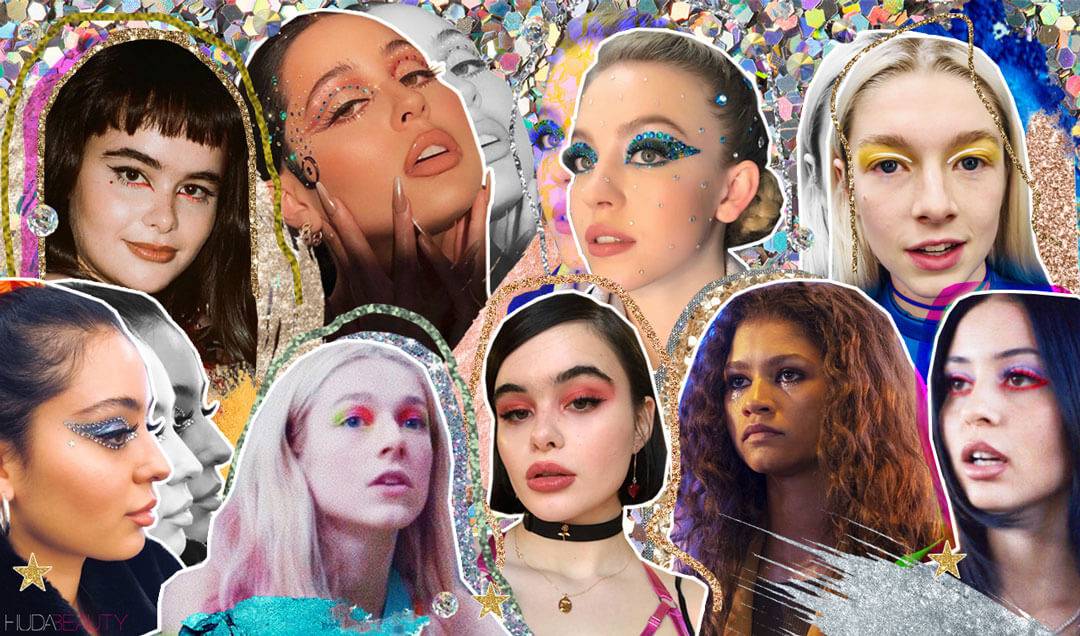
Clothing thus becomes a true extension of the body and psyche. Rue, played by Zendaya, often wears tracksuits, oversized sweaters, sneakers, and muted colors — a wardrobe that communicates her relationship with drugs and her desire to disappear, to avoid both attention and contact. Maddy, in contrast, uses fashion as a tool of power: crop tops, miniskirts, high heels, and explicit Y2K references turn her body into a medium of control and assertion. Cassie embodies a fragile and progressively emptied femininity, expressed through increasingly tight and revealing outfits that reflect a loss of identity and a constant exposure to the male gaze in search of approval. Jules, finally, represents the series’ most fluid and experimental dimension: her look mixes soft-grunge and anime-girl styles, full of pastel colors and glitter, emblematic of her gender fluidity and freedom of identity.
Heidi Bivens’ costume design engages directly with Instagram, TikTok, and online visual culture, shaping the way Gen Z has begun to rethink body, gender, and self-expression. In parallel, makeup artist Doniella Davy has created a shared visual lexicon: graphic eyeliner, rhinestones, liquid eyeshadows, and glitter have jumped from the screen to become global trends. Like fashion, makeup stops being mere decoration and transforms into an emotional and narrative language.
The influence of Euphoria goes far beyond television. The series has become a true factory of images, memes, and visual references, generating an instantly recognizable and replicable aesthetic. But Euphoria is also modern mythology: a collective narrative that gives shape to the anxieties and aspirations of a generation raised under constant pressure, balancing continuous visibility with relentless performance expectations.
Its characters function as contemporary mythic figures — imperfect and tragic — capable of embodying real social tensions.
With the arrival of the third season, Euphoria faces a crucial challenge: continuing to speak to a generation that is evolving, growing, and demanding new forms of representation. But if there’s one thing the series has proven from the start, it’s its ability to capture trends and transform them into pure imagination.
MiniMyths – in collaboration with Scuola Internazionale Comics (Turin)

Time Machine
When time… is a loop!
by Davide Oliboni

FMC // February 2026. Results and ongoing projects
NEW FORMATS FOR YOU
A very short update, just for you…
- The irreverent magazine LETTERALMENTE (curated by Grita).
- …And to celebrate together and discover more about the Japan we love, the first episode of poddokyasuto – ポッドキャスト is out. The podcast explores how society, culture, politics, and the economy are shaped by — and shape — the major themes of our time. Whatever the theme, at least one manga has something to say about it!
RESEARCH & INNOVATION
At the beginning of 2026, we are working with our partners — PHASMATIC (Greece) and Inventivio (Germany) — on the next steps in 3D digitalization of objects and the creation of storytelling for museums and gaming, including collaboration with blind and visually impaired communities.
With musician Federico Coderoni, we are exploring immersive audio environments for upcoming 4D initiatives in Berlin, Milan, and Turin.
Meanwhile, with documentary photographer Laura Liverani, we are opening a new Asian front. Between tattoos and objects, what does Modern Mythology mean for the descendants of the Ainu (Japan) and Māori (New Zealand) minorities?
EU & EXTRA EU PROJECTS
By December 2025, we completed the projects:
- Invisible Cities (HORIZON / NGI Enriches)
- GLEAM – Game to Learn and Enable Accessibility through Modern Mythology (HORIZON / XR4ED)
…and crossed our fingers for the new proposals submitted:
- REBORN – Regenerative Ecologies for Building Organisms and Resilient Neighbourhoods
- SEEDs & ROOTs
- Art4Dvanced
To date, the M-Cube Foundation collaborates on its projects with over 100 partners across Europe, the USA, and New Zealand.